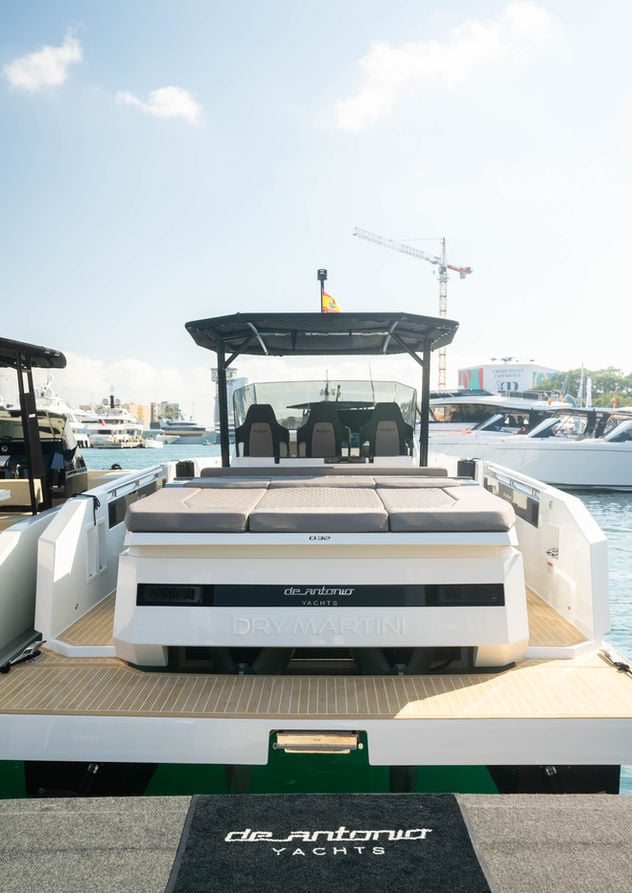
What a Bareboat Charter Means
Let's clear something up first. In the boating world, "bareboat charter" technically means renting a boat with no captain, no crew, just you and the keys. That's the textbook definition. But here in Sag Harbor, that's almost never what people want, or what they should ask for.
Sag Harbor's harbor is tight. You've got moorings packed close together off Long Wharf, ferry traffic running to Shelter Island, and a channel that gets crowded fast on a summer weekend. Someone who's never navigated these waters can get into trouble quick, and not the fun kind.
So when folks search "bareboat charter in Sag Harbor," what they usually mean is this: a boat that feels like it's theirs for the day, without the stress of driving it. That's exactly what we built our fleet around.
Every charter we run comes with a USCG-licensed captain at the helm. It's not an upsell, it's how we operate. You still get the freedom, the privacy, the feeling that the boat is yours for the next few hours. You just don't have to worry about reading the current near North Haven or figuring out right-of-way rules with a ferry bearing down on you.
We've had guests call asking specifically for a bareboat setup, no captain, just the boat. Nine times out of ten, once we walk them through what our local waters look like on a busy Saturday, they're relieved to hear a captain comes standard. That's the real value here. You get the bareboat experience, the boat feels like yours, without the risk that comes with being on your own out there.
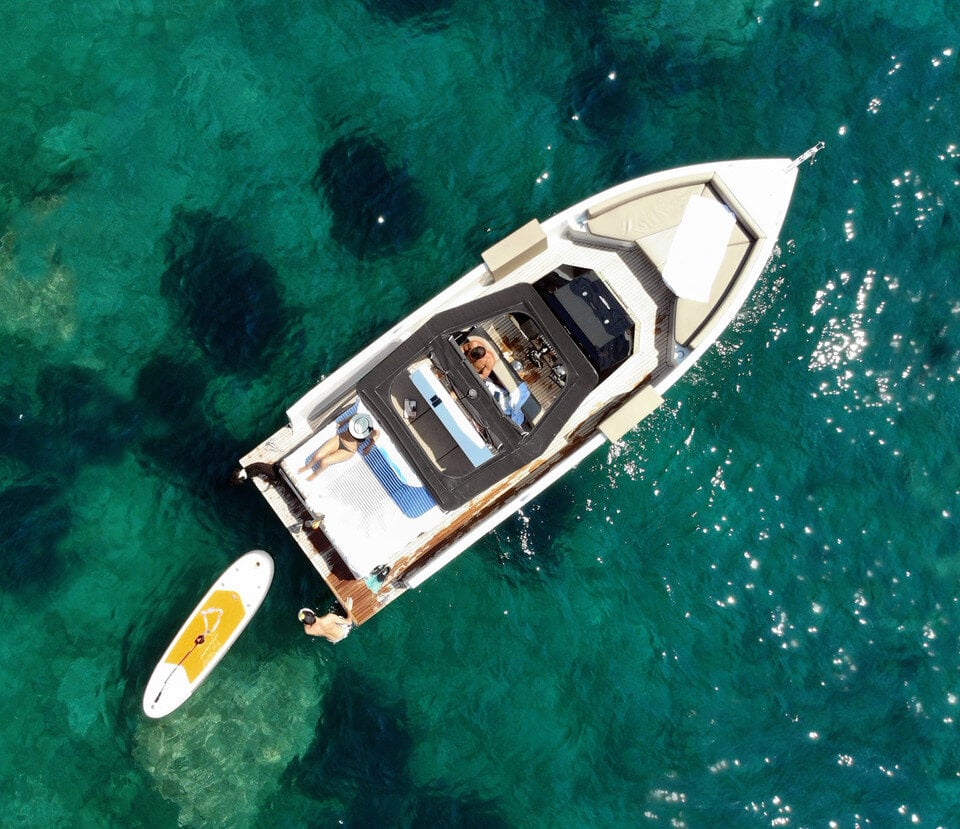
Who Qualifies to Skipper a Bareboat Charter in Sag Harbor
Bareboat means one thing: no captain, just you at the helm. That's a big ask on Sag Harbor water, and we won't pretend otherwise. Before we hand over the keys, we need to know you can run the boat and read the harbor.
So who qualifies? Real boating experience is the starting point, not a maybe. We're talking about handling docking, reading channel markers, and knowing how to react when a ferry wake rolls through near the harbor entrance. New York expects boaters to carry proof of a boating safety course, depending on age, and we ask to see it before departure. No certificate, no exceptions.
Here's what we look for before approving a bareboat rental:
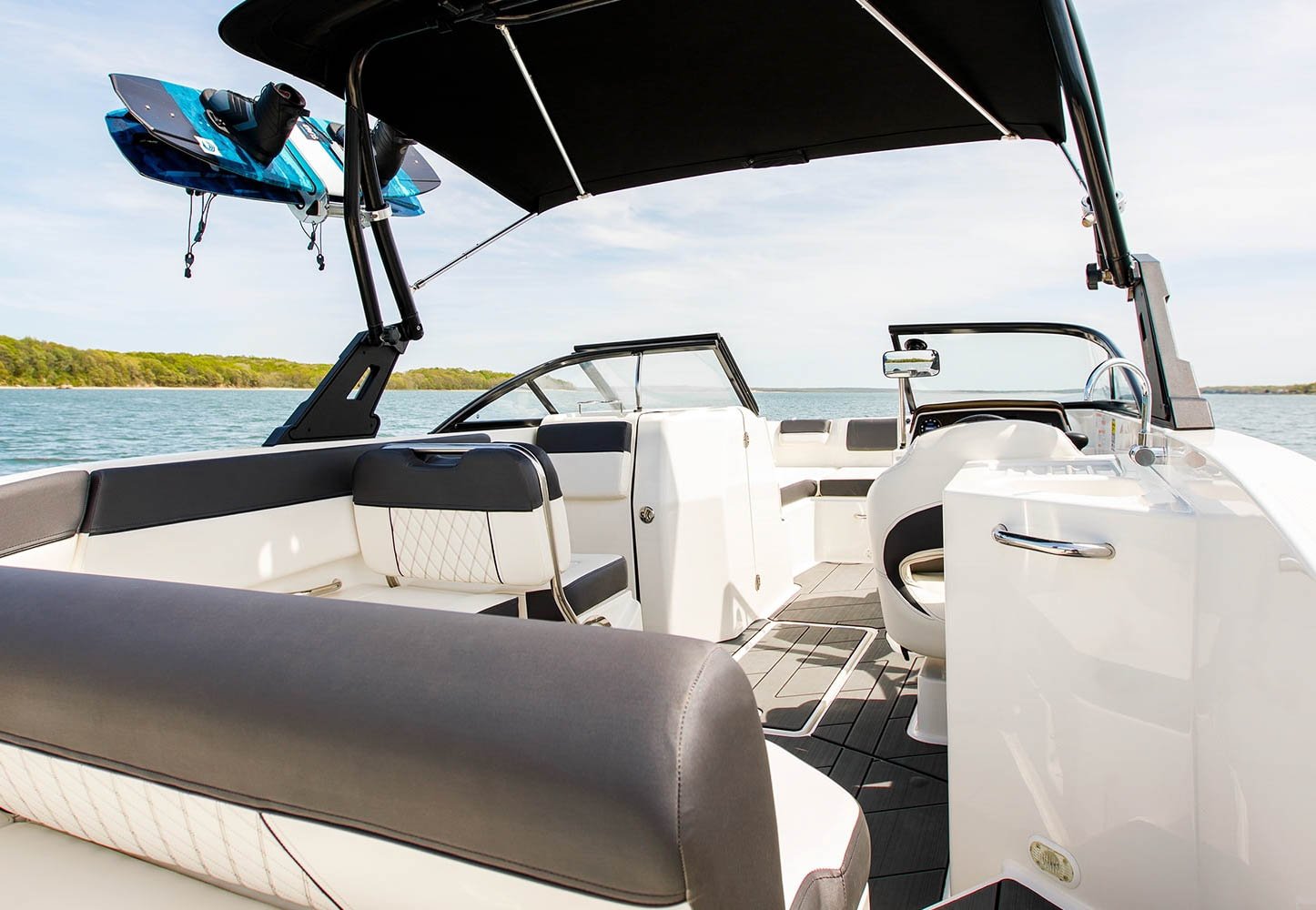
When a Captained Charter Makes More Sense
Look, bareboat charter isn't for everyone. And that's fine to admit. If you've never handled a boat past Long Beach Bar Light, or you're not sure how to read a current table for Peconic Bay, a captained charter is the smarter call. Not a knock on you - boating here just has real teeth to it.
Sag Harbor sits right where the Shelter Island Ferry channel gets busy in summer. Add in moorings packed tight near the village docks, and a new-to-the-area boater can get overwhelmed fast. We see this every single week. Someone's confident on a lake back home, then they hit our harbor traffic on a Saturday afternoon and things get tense quick.
A captained charter also just makes sense for certain trips. Planning a Hamptons bachelorette party? You want everyone drinking, dancing, and taking photos, not one friend white-knuckling the wheel. Same goes for a proposal, a corporate event on the water, or a wedding boat charter. You want your full attention on the moment, not the depth finder.
There's a weather piece too. Conditions off the East End can shift in under an hour, and knowing when to turn back before a squall rolls in over Gardiners Bay takes real experience. Our captains are all USCG-licensed, so that judgment call is already handled for you.
So who should still book bareboat? Confident, experienced boaters who know local rules and want the freedom to run their own route. Everyone else -, most first-timers - ends up happier and more relaxed with one of our captains at the helm.
Not sure how long you want to be out? A half day boat rental works well for a few hours on the water, while a full day boat rental gives you more time to cruise, swim, stop for lunch, and explore.
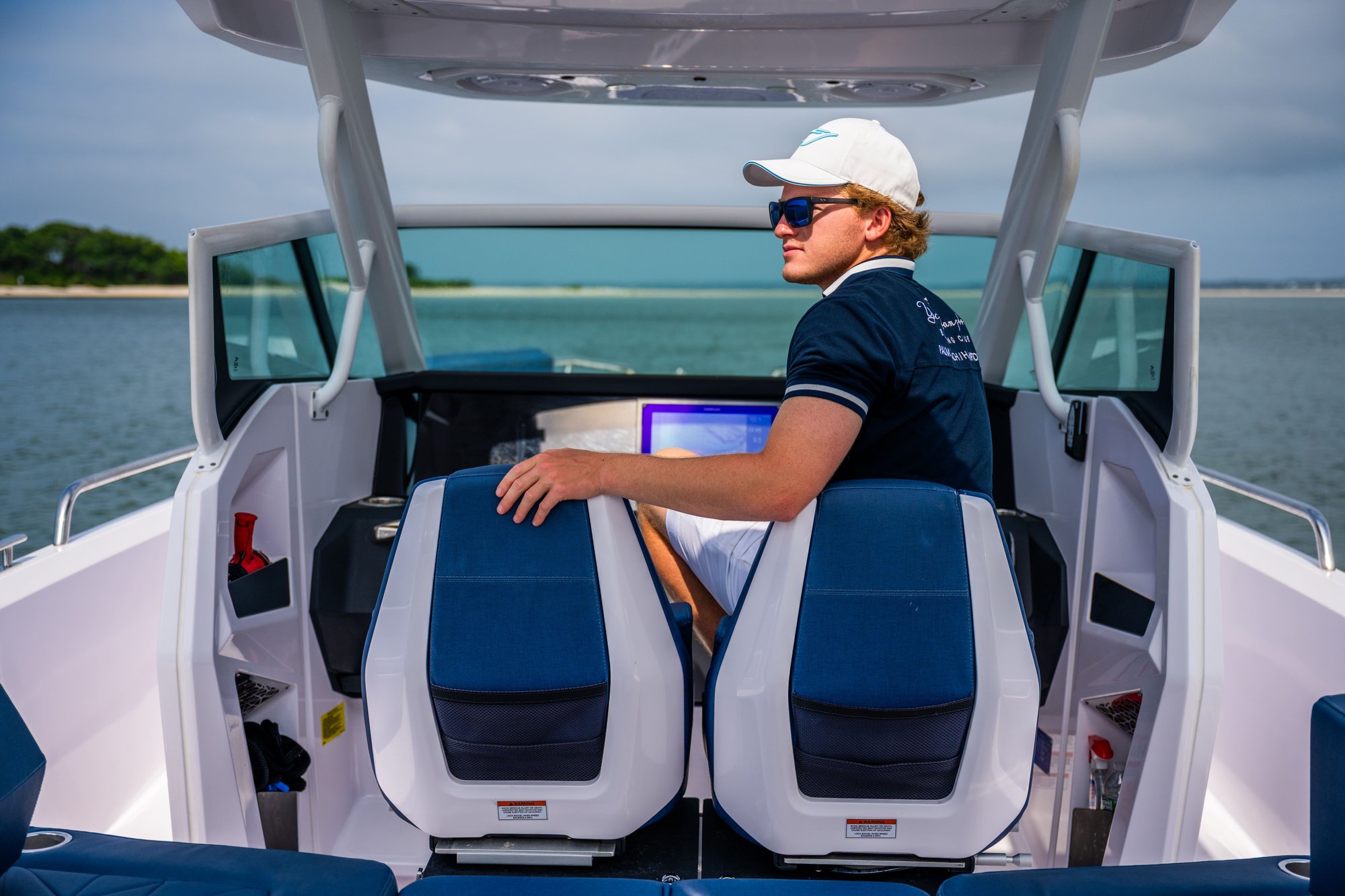
What to Expect During the On-Water Check-Out
Before we hand you the wheel and let you head out on your own, one of our USCG-licensed captains takes you out for a check-out run. This isn't a formality. It's how we make sure you're comfortable running the boat, not just excited about it.
We start right at the dock. Your captain walks you through the helm, the throttle, the bilge pump, the VHF radio, all of it. Then we ease out of the slip together. You'll take the wheel in open water first, get a feel for how the boat turns, how it handles wake, how it slows down. Sag Harbor's outer harbor gets busy with ferry traffic and moored sailboats in peak summer months, so we make sure you can read the water and other boats before we cut you loose.
Docking is the real test. We'll have you bring the boat back in, slow and controlled, with your captain right there coaching you through it. Nine times out of ten, this is where people either relax or realize they want a little more practice. Both are fine outcomes.
So what does a captain look for? A few things:
- Can you hold a steady course and adjust for current or wind?
- Do you know how to slow down early, not late, near other boats or the dock?
- Can you operate the radio and know what to do in an emergency?
- Are you reading depth and hazard markers correctly?
Once your captain signs off, you're set to head out bareboat. If something feels off during the check-out, we won't rush it. We'd rather spend an extra fifteen minutes on the water than have you feel unsure once you're out there alone.
.jpg?height=2000&name=D29-36%20(1).jpg)
How Bareboat Pricing Works
Bareboat charter pricing in this industry usually comes down to three things: the size of the boat, the length of time you have it, and the season you're booking in. A smaller boat for a few hours costs less than a larger one for a full day. That's not a secret, it's just how the math works out across the charter business.
Fuel is another piece of it. Bareboat rates often separate the base rental fee from fuel costs, since usage varies so much depending on how far you run and how you drive. Some operators build fuel into the quote, others bill it after the trip based on what you burned. Ask which one you're getting before you sign anything.
Insurance and security deposits factor in too. Because you're the one operating the boat, most companies in this trade require a deposit that's held until the vessel comes back in one piece. The deposit size usually scales with the boat's value, so a bigger vessel means a bigger hold on your card.
Season matters more than people expect. Summer weekends on the water out here get booked up fast, and demand pushes rates higher during July and August compared to a quiet Tuesday in June. Holiday weekends carry their own premium too.
Here's what we'd ask before hiring anyone for a bareboat trip:
- Is fuel included in the quote, or billed separately after the trip?
- What's the deposit amount, and when does it get released?
- Does the rate change based on day of week or time of year?
- Are there minimum age or boating experience requirements to rent without a captain?
We don't publish flat rate cards for a reason, every trip is a little different, so we build the number around your boat, your hours, and your day.